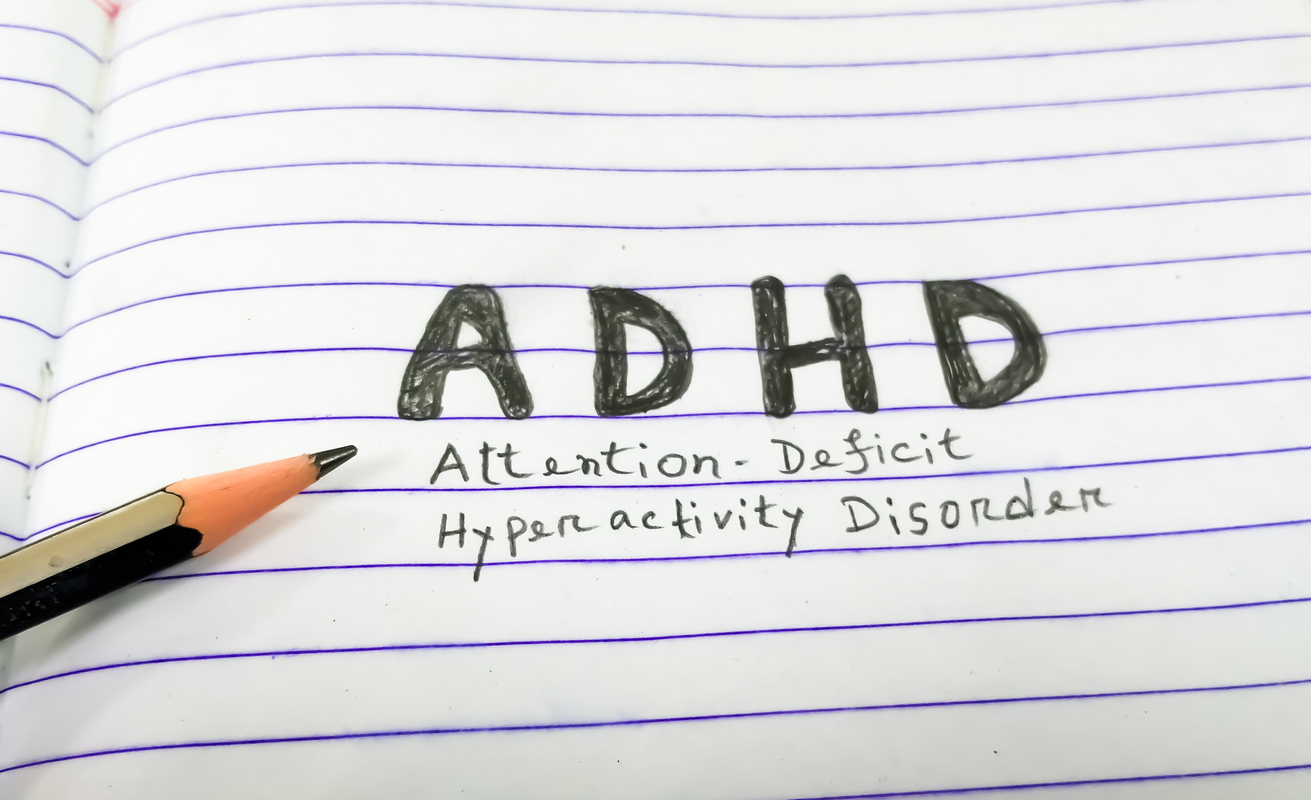
A Holistic Path to Clarity and Focus
It starts as a quiet frustration. You miss a deadline—again. Your keys disappear at the worst possible moment. You find yourself interrupting someone mid-sentence and immediately regret it. You sit down to write an email and somehow end up down a rabbit hole of tabs, texts, and half-finished tasks.
If this sounds familiar, you’re not alone. Adult ADHD is more common than many realise—and far more complex than the childhood hyperactivity stereotype that still dominates public awareness. At its core, ADHD is not a failure of willpower. It’s a different way of processing attention, emotion, and stimulation—and it deserves a thoughtful, tailored, and compassionate response.
What ADHD Looks Like in Adults:
For many adults, ADHD doesn’t look like bouncing off the walls. It looks like chronic overwhelm. It looks like brilliant ideas that don’t quite make it into action. It’s the emotional crash after trying to hold it all together through sheer force.
You might find yourself:
- Struggling to stay organised or follow through on tasks
- Feeling constantly restless or “on edge”
- Experiencing emotional outbursts or hypersensitivity to criticism
- Losing track of time or important responsibilities
- Living with a nagging inner critic who calls you “lazy” or “too much”
And perhaps most importantly, you may feel like no one sees the whole picture. That your intelligence, creativity, and drive are being held hostage by something invisible.
A Holistic Lens on ADHD
Traditional treatment approaches often focus solely on medication—and while medication can absolutely be life-changing for many, it’s not the whole story. At our practice, we take a holistic and integrative approach to ADHD, one that includes body, brain, relationships, and environment.
ADHD affects how your nervous system regulates attention, emotion, and stimulation. So we begin by helping you understand your unique nervous system—not just pathologise it. We work with you to build systems that fit your brain, rather than trying to squeeze your brain into someone else’s system.
Mindfulness: Rewiring Attention
Research has shown that mindfulness practices can improve attention regulation and working memory—areas often challenged in ADHD. But more than that, mindfulness helps to create a pause between thought and action. That pause is golden.
For adults with ADHD, a tailored mindfulness practice might include:
- Short, guided mindfulness sessions that don’t overwhelm
- Somatic grounding (e.g., breath awareness, body scans)
- Movement-based mindfulness (like walking or mindful stretching)
- Sensory-focused techniques for emotional regulation
These practices help soothe the nervous system, reduce impulsivity, and reintroduce a sense of calm agency.

Movement, Exercise, and Regulation
Regular movement is not just helpful—it’s essential. Exercise boosts dopamine, which is often dysregulated in ADHD brains. It also helps “burn off” excess stimulation and allows for clearer cognitive functioning afterward.
We help clients find movement practices they enjoy, such as:
- Walking outdoors (especially barefoot grounding or forest walking)
- Dance, martial arts, or yoga
- Short bursts of high-intensity activity
- Stretching or body-based “reset” practices between tasks
Diet, Sleep, and Focus
ADHD and nutrition are deeply linked. Blood sugar crashes, caffeine spikes, and inflammatory foods can all amplify attention and mood symptoms.
In therapy, we’ll explore:
- Balanced nutrition for energy stability (e.g., protein-rich breakfasts)
- Timing of meals to reduce mood crashes
- Sleep hygiene practices—light exposure, screen time management, calming routines
- The effect of alcohol, sugar, and processed foods on reactivity
You don’t need to become a health guru overnight. Small, sustainable shifts can make a big difference.
Environmental Design: Make the System Work for You
The environment matters more than people think. A cluttered space can be overstimulating. An open calendar can feel like a trap. With ADHD, externalising structure is crucial.
We help clients create:
- Visual task boards or whiteboards
- Clear zones for different tasks (e.g., a “deep focus” space vs. a “dump zone”)
- Strategic use of reminders and timers
- Ritualised transitions between work and rest
You are not disorganised—you just haven’t had a system that works with your brain’s natural rhythms.
Relationships, Shame, and the Internal Narrative
Perhaps the most hidden part of ADHD is the deep shame that can form over a lifetime of missed cues, emotional reactivity, or underperformance.
Therapy is not just about coping strategies—it’s about rewriting the internal story. We explore how past experiences, school struggles, or relationship misunderstandings have shaped your self-concept. Then we work to build a new, more compassionate lens.
Couples therapy may also be helpful, especially when one partner doesn’t understand how ADHD manifests in emotional or communication patterns.
You Are Not Broken. You Are Wired Differently.
ADHD is not a flaw—it’s a difference. And when supported, those differences can become incredible strengths: rapid problem-solving, creativity under pressure, out-of-the-box thinking, and empathy. You don’t need to keep masking, pushing, or beating yourself up to stay afloat. You need support, structure, and a system that works for you—not against you.
 Whether you’re recently diagnosed or simply wondering if ADHD explains some long-standing struggles, you’re not alone — and help is available. I work with adults across Queensland and beyond, offering sessions that honour your whole self — your strengths, your challenges, your nervous system, and your story. Let’s begin the journey toward clarity, regulation, and self-trust.
*Please note that Dr. Scott Terry only does Telehealth and Telephone consults – with occasional in-person sessions.
To make an appointment with Dr. Scott Terry, please Book Online or call Vision Psychology Brisbane on 07 3088 5422.