
Lifestyle Approaches to Calming a Racing Mind
Anxiety is Not Just in Your Head – Lifestyle Approaches to Calming a Racing Mind
If you live with anxiety, you know it’s more than just worry. It’s physical. It’s emotional. It can feel like a constant undercurrent of tension—or like sudden waves that crash over you for no clear reason.
Maybe your chest tightens as soon as your feet hit the floor in the morning. Maybe you lie awake replaying a conversation from six hours ago. Maybe you’re constantly scanning your environment, waiting for something to go wrong. You might look calm on the outside—while your mind races and your body braces.
You’re not broken. And you’re not alone.
Anxiety is one of the most common reasons people seek therapy. But here’s something not enough people are told: You can’t think your way out of anxiety. Not entirely. Because anxiety doesn’t live only in your thoughts—it lives in your nervous system. And that means we need to work with your whole system—not just your thinking patterns—to truly shift it.
What Does Anxiety Really Feel Like?
Everyone’s experience is different, but common symptoms include:
- Racing thoughts or looping worries
- Muscle tension, jaw clenching, or shallow breathing
- Difficulty sleeping or staying asleep
- Digestive issues or appetite changes
- Feeling on edge, irritable, or “snapping” easily
- Perfectionism or over-preparing
- Avoiding people, places, or situations that trigger discomfort
- A sense of dread without a clear cause
These aren’t just personality quirks. They’re biological and psychological signals that your system is stuck in a stress loop.
Beyond Talk Therapy: Why a Holistic Approach Works
Cognitive techniques (like CBT) can be incredibly helpful for managing thoughts. But if your nervous system is still in overdrive, your body won’t believe you’re safe—no matter how rational your thoughts become.
That’s why I integrate body-based, lifestyle-focused, and mindfulness-informed strategies into anxiety treatment. It’s not about “fixing” you. It’s about helping your system come back into balance.
Here’s what that process looks like:
1. Understanding the Stress Cycle and the Nervous System
Anxiety is often a sign that your nervous system is stuck in fight-or-flight. You’re not choosing to worry—your system is on high alert, scanning for danger.
In therapy, we explore:
- Your personal triggers and physiological stress patterns
- Your window of tolerance (the zone where you feel safe and regulated)
- The difference between anxiety, fear, and stress—and how to respond to each
You’ll learn to identify when you’re escalating—and what brings you back down.
2. Mindfulness and Meditation: Grounding Your Awareness
Mindfulness doesn’t mean sitting cross-legged in silence. It means paying attention, on purpose, to the present moment—with compassion.
Together, we develop techniques that work for your style, including:
- Breath awareness to slow racing thoughts
- Body scans to reconnect with sensation
- Grounding exercises using sound, texture, or movement
- Walking mindfulness sessions or nature-based mindfulness
- Mantra or guided imagery for anxious spirals
These practices anchor you to the here and now—a place anxiety often tries to escape from.
3. Sleep, Nutrition, and the Foundations of Regulation
If you’re not sleeping or eating well, your system will stay reactive—no matter how much therapy you attend.
In our work, we look at:
- Sleep rituals that actually help your brain downshift
- The impact of screen time and overstimulation
- Blood sugar fluctuations and their link to mood swings
- The role of caffeine, alcohol, and ultra-processed foods in anxiety cycles
- Easy, sustainable ways to fuel your body for emotional steadiness
You don’t have to become a wellness expert overnight. We focus on small steps that feel achievable and empowering.
4. Movement as Medicine for Anxiety
Anxiety often creates excess energy with nowhere to go. Movement helps discharge that energy and shift your brain chemistry.
We explore:
- Which forms of movement feel regulating vs. overstimulating for you
- How to use movement as a reset button when anxious
- Incorporating movement breaks into your day (even 5 minutes makes a difference)
- The power of outdoor activity—especially in green, open spaces
You don’t need a gym membership. Even a barefoot walk on the grass can help ground you.
5. Connection to the Environment: A Forgotten Tool for Anxiety
Many of us live in constant digital noise, under artificial light, cut off from natural rhythms. And that matters.
Nature provides:
- A predictable, nonjudgmental sensory landscape
- Lowered cortisol and increased parasympathetic activity
- Opportunities for awe, spaciousness, and perspective
We may explore practices like:
- Forest bathing (shinrin-yoku)
- Gardening or tending to plants
- Sitting quietly outdoors, phone off
- Using environmental anchors (e.g., a candle, stone, scent) to calm reactivity
The more your nervous system connects to something stable, the less likely it is to spin out.
Therapy as a Co-Regulating Space
Sometimes, what anxiety needs most is safe connection. Someone to help you slow down. Breathe. Be seen—without judgment or urgency.
In our sessions, we don’t just “talk about” anxiety. We practice safety together. You learn what it feels like to have space inside your own experience. You discover tools—but you also discover trust in your own ability to respond.
You Are Not Weak. You Are Wired for Survival.
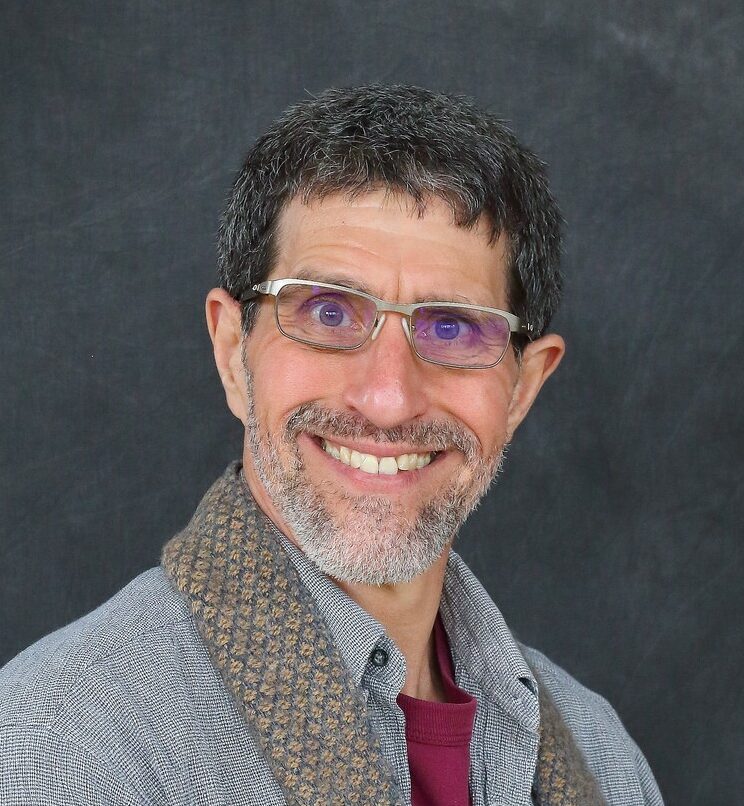
An anxious brain is trying to keep you safe. It just doesn’t always know how to switch off. Therapy helps you retrain your system—not through pressure or perfection, but through patience, awareness, and support. I offer video-based anxiety therapy for clients across Queensland and beyond, with occasional in-person sessions available by arrangement. You don’t have to live in overdrive. You can come back to yourself.
*Please note that Dr. Scott Terry only does Telehealth and Telephone consults – with occasional in-person sessions.
To make an appointment with Dr. Scott Terry, please Book Online or call Vision Psychology Brisbane on 07 3088 5422.