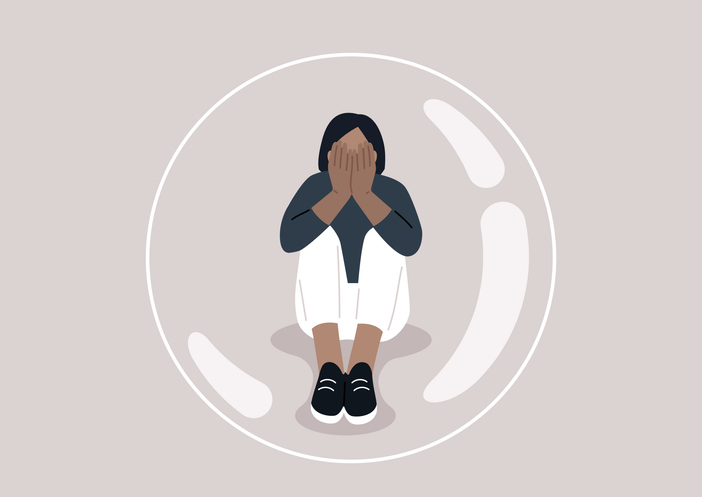
Sometimes it doesn’t feel like sadness. It feels like nothing.
You wake up tired. You go through the motions. You smile when you need to. But inside, it’s flat. Heavy. Numb. The things that used to give you joy feel out of reach. You forget what hope feels like. You wonder if it’s even worth trying anymore.
This is what depression often looks like — not just tears or despair, but a profound sense of disconnection. From yourself. From your emotions. From the people around you. From the things that used to anchor you.
And while depression can feel isolating, it’s also incredibly common. You’re not alone — and you’re not broken.
What Depression Really Feels Like
Depression is often misunderstood. It’s not “just being sad.” For many, it shows up as:
- Low motivation or energy
- Trouble getting out of bed or completing small tasks
- A loss of interest in things that once mattered
- Feeling like a burden or like you’re letting people down
- Brain fog, trouble concentrating, or forgetfulness
- Irritability or emotional numbness
- Changes in appetite or sleep (too much or too little)
- A persistent inner voice saying, “What’s the point?”
Depression lies. It tells you you’re alone. That nothing can change. That you don’t deserve help. But depression is also a signal: something inside is asking for reconnection.
Depression as Disconnection
At its core, depression can be seen as disconnection from life force—from:
- Your body and its natural rhythms
- Your emotions and desires
- Your environment and sensory experience
- Your relationships and sense of belonging
- Your values, purpose, and identity
Therapy helps rebuild those bridges, gently and patiently, until you can feel yourself again.
Healing Depression Holistically
There’s no one-size-fits-all treatment for depression. But there is a layered, integrative path that addresses the emotional, physical, cognitive, and environmental systems keeping you stuck.
Here’s how we walk it together:
1. Understanding What’s Happening Internally
Therapy begins by helping you name what’s going on—not just the symptoms, but the experience underneath.
We explore:
- Your personal story—what shaped you, what weighs on you
- The patterns in your thoughts, habits, and energy
- How stress, trauma, or burnout may have impacted your brain-body systems
- The difference between low mood and clinical depression, and how to approach each with care
Naming brings relief. It reduces shame. And it reminds you: this isn’t you—it’s something happening to you.
2. Restoring the Foundations: Sleep, Food, and Movement
Depression often disrupts the most basic life rhythms—making it even harder to recover.
We begin with small, meaningful steps:
- Sleep hygiene practices to support circadian rhythm and deeper rest
- Stabilizing nutrition—especially protein, hydration, and blood sugar balance
- Gentle movement or stretching, even 5–10 minutes a day, to signal safety to the body
- Creating small wins to reintroduce a sense of momentum and self-efficacy
You don’t need to overhaul your life overnight. You need a path back to aliveness, one breath at a time.
3. Mindfulness, Meditation, and Reconnection with the Body
Depression pulls you inward—but not in a nourishing way. It numbs the body, disconnects thought from feeling, and flattens emotional range.
Mindfulness offers a way back in:
- Body scans to reconnect with sensation
- Gentle breathwork to support emotional regulation
- Mindful walking, especially in nature, to create movement and presence
- Practices that help you observe thoughts without being consumed by them
This is not “positive thinking.” It’s compassionate witnessing—learning to be with what’s here, without judgment.
4. Reconnecting with the Environment
When you’re depressed, the world can feel distant or dull. But your environment still matters—more than you might think.
We work with:
- Natural light and circadian alignment (getting outside in the morning light)
- Tactile and sensory experiences that reawaken the body (e.g., water, texture, warmth)
- Spaces that feel safe, beautiful, or comforting
- Nature exposure—even a few minutes a day in green space has measurable benefits on mood
The world doesn’t have to be overwhelming. It can become part of your healing.
5. Therapy as a Relationship of Safety
Depression is often a response to relational rupture—whether that’s trauma, abandonment, neglect, or simply being misunderstood for too long.
In therapy, you don’t have to perform. You don’t have to pretend.
We create a space where:
- You are gently witnessed in whatever state you’re in
- You can speak the unspeakable thoughts
- You learn how to soften the critical voice inside
- You begin to feel not just understood—but felt
And from there, we build a path forward.
You Don’t Need to Be “Fixed.” You Need to Be Found.
Depression tells you you’ve lost your way. But the truth is: you are still here. Somewhere beneath the fatigue, the fog, the flatness—you are still there. And we can find our way back.

I offer video therapy sessions for clients across Australia and beyond, with limited in-person availability in Brisbane – by request. If you’re ready to begin—or even if you’re not sure you are—contact Vision Psychology and book a session today. Let’s begin the slow, steady process of rediscovery.
To make an appointment with Dr. Scott Terry, please Book Online or call Vision Psychology Brisbane on 07 3088 5422.