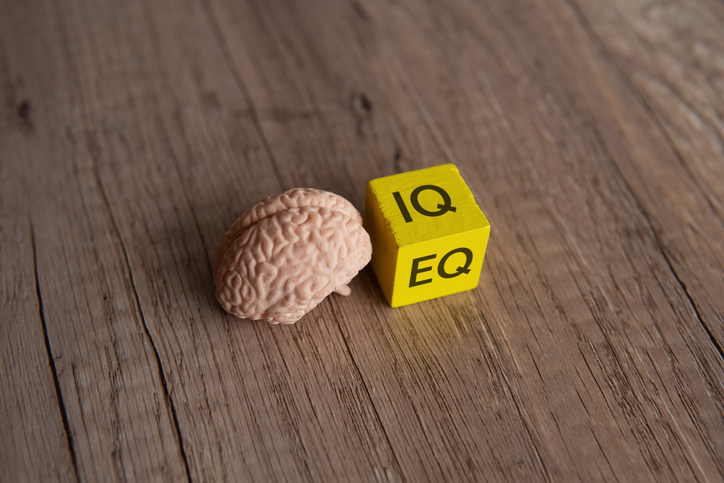
They say that change is inevitable. However, change can be very challenging. Whether it’s a new job, moving to a new country/city, or facing unexpected events, change often stirs up strong emotions. Emotional intelligence (EI) helps us navigate these feelings, enabling us to adapt, grow, and thrive in changing times. But what is emotional intelligence, and how can we use it to embrace change more effectively?
What is Emotional Intelligence?
Emotional intelligence is the ability to understand and manage our emotions, as well as recognize and respond to the emotions of others. Psychologist Daniel Goleman, in his book Emotional Intelligence: Why It Can Matter More Than IQ (1995), highlights five key areas of EI:
- Self-awareness – Recognizing your own emotions and how they affect you.
- Self-regulation – Managing your emotions in healthy ways.
- Motivation – Using your emotions to drive positive actions.
- Empathy – Understanding and sharing the feelings of others.
- Social Skills – Building strong relationships and effective communication.
When change occurs, these skills can help us respond thoughtfully rather than reacting impulsively.
How Emotional Intelligence Helps with Change
1. Understanding Your Feelings
Change often triggers emotions like fear, anxiety, or excitement. Self-awareness helps you identify what you’re feeling and why. For example, if you’re nervous about starting a new job, acknowledging this emotion can prevent it from overwhelming you. Once you understand your feelings, you can take steps to manage them.
2. Staying Calm Under
Pressure Self-regulation is essential during change. Instead of letting stress take over, EI encourages practices like deep breathing, mindfulness, or journaling. These strategies help you stay composed and make better decisions.
3. Staying Motivated
Change can feel overwhelming, but emotional intelligence helps you focus on your goals. Think about the positive outcomes of the change you’re facing. For instance, moving to a new city might be scary at first, but it could lead to exciting opportunities and personal growth.
4. Building Empathy for Others
Change often impacts not just you but those around you. Empathy allows you to consider how others might feel and support them through transitions. This is especially valuable in team settings or family changes, where understanding each other fosters collaboration and mutual respect.
5. Strengthening Relationships
During change, having a strong support system can make all the difference. Social skills, such as listening and clear communication, help you connect with others. Talking to friends, colleagues, or loved ones about your feelings can lighten the emotional load and strengthen your relationships.
Practical Tips to Build Emotional Intelligence
- Practice Mindfulness: Spend a few minutes each day focusing on your breath or observing your thoughts. Mindfulness helps increase self-awareness and reduces emotional reactivity.
- Reflect on Emotions: At the end of each day, ask yourself: What emotions did I feel today? How did I handle them? This simple reflection can improve your self-regulation over time.
- Seek Feedback: Ask trusted friends or colleagues how they perceive your emotional responses. This can provide valuable insights into your social skills and empathy.
- Read and Learn: Books like Goleman’s Emotional Intelligence or EQ Applied: The Real-World Guide to Emotional Intelligence by Justin Bariso offer practical strategies to develop emotional intelligence.
- Practice Gratitude: Focusing on what you’re grateful for helps shift your mindset from fear of change to appreciation for new opportunities.
In conclusion, emotional intelligence equips us with the tools to navigate change with resilience and grace. By understanding our emotions, staying motivated, and connecting with others, we can transform challenges into opportunities for growth. Developing EI takes practice, but the rewards – better relationships, improved well-being, and greater adaptability – are well worth the effort. If needed help – reach out!

Author: Nenad Bakaj, MHumServ (RehabCouns), BSocWk, DipAppSci (Comm&HumServ), AMHSW, MAAC, MAASW, JP (Qld)
Nenad Bakaj is a Brisbane based Clinical Counsellor, Accredited Mental Health Social Worker, Life Coach and Bigger Bite Out Of Life Trainer with a keen interest in positive psychology, mental health and wellbeing, and is continually developing his professional skills and knowledge. Nenad enjoys working with adolescents and young adults, as well as older clients, and feels it is a privilege to be able to support them.
References
Bariso, J. (2018). EQ Applied: The Real-World Guide to Emotional Intelligence. Independently published.
Goleman, D. (1995). Emotional Intelligence: Why It Can Matter More Than IQ. Bantam Books.