What is Grief?
Grief is a uniquely personal experience. It is an emotional, physical and cognitive experience in response to losing something or someone deeply meaningful. This loss could be a death, a relationship separation, a major life transition or a loss of health. There is no “correct” way to grieve and the aim is not to “get over it.”
The Stages of Grief
The stages of grief are denial, anger, bargaining, depression, and acceptance. Denial is one of the body’s defence mechanisms. Denial has been described as an emotional shock absorber. This stage commonly occurs close to the loss. The body tries to protect itself by going into shock and attempts to prevent you feeling any unpleasant emotions. Anger is the stage where you connect back with your body. Underneath the outbursts of anger is pain and sadness. Bargaining is where you start to look for hope within the pain. It is where you search for any signs of control or reason. Depression is when your body starts to allow you to feel the intense pain and sadness as you start to accept the loss. It’s like a tug of war of emotional avoidance to surrender. Acceptance is where you acknowledge the loss and then start to live with the loss making adjusts to your life as needed.
Grief and Your Mind, Heart and Body
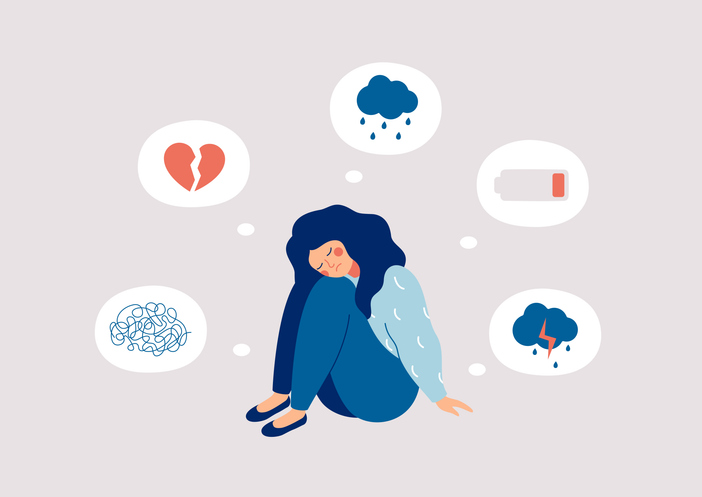
No one grieves the same however, there are similarities shared among people who are grieving. Some of the common emotions associated with grief include sadness, yearning, anger, regret, denial, guilt and helplessness.
To visual the experience of grief, sometimes counsellors use the metaphors of a ‘riding a roller coaster’ or ‘surfing the wave’. The emotions come on suddenly and demand your attention. Therefore, like surfing, you notice the wave of emotion, and then it passes. If you try to supress the wave, it continues for longer and moving on becomes harder.
There are also common temporary physical changes include going into shock, headaches, muscular pain, lower immunity, over or under eating, difficulties sleeping, poor concentration, fatigue and/or anxiety. While these are expected, if they persist or feel overwhelming, consult your doctor if you have any concerns or wish to discuss your options.
How Counselling can Help
Counselling can help you come to a place of acceptance and restoration. You can build on your coping strategies to adapt to the new season of life. Your loss is recognised, and your emotions can be expressed in a safe space. Counselling techniques taken from acceptance and commitment therapy (ACT), cognitive behavioural therapy (CBT) and expressive therapies can help you express your emotions in a safe way.
Meaning making is an important step in the grieving process. This is where you formulate a narrative of your loss and explore inner existential conflicts. Why does the loss matter so deeply? Attachment style, spiritual beliefs, cultural considerations and interpersonal interactions can impact your narrative. Your identity, sense of purpose and worldview can be shaken. Counselling can assist you in your journey of making meaning and weave the threads together in a new way.

A grief counsellor is in the unique position to offer support as they are removed from the immediate family and friend group. The counsellor can normalise and validate your experience of grief as well as challenge unhelpful thoughts that arise from feeling angry or guilty. There is no time limit to grief. The way forward is putting one step in front of the other.
I offer grief counselling with the goal to support you through your grief, gently guide you towards healing and encourage you as you adapt to a new way of life.
To make an appointment with Cassia Haase, please Book Online or call Vision Psychology Brisbane on 07 3088 5422.
References
Deighton, R., & Mace, C. (2025). Calling in grief: a retrospective analysis of the effectiveness of a telehealth grief counselling program through a community-based organisation. ResearchGate. Doi:10.31234/osf.io/c3w6f
Gupta, S. (2024). What is grief counselling? Definitions, types, techniques, and efficacy. VeryWellMind. https://www.verywellmind.com/what-is-grief-counseling-5189153
Raymond, C. (2025). What does grieving do to your body? How to cope with the physical symptoms of grief. VeryWellMind. https://www.verywellmind.com/physical-symptoms-of-grief-4065135
Silva, S. (2024). The 5 stages of grief: understanding the mourning process. PsychCentral. https://psychcentral.com/lib/the-5-stages-of-loss-and-grief
Therapistaid.com. (n.d.). Grief Psychoeducation. https://www.therapistaid.com/therapy-guide/grief-psychoeducation-guide