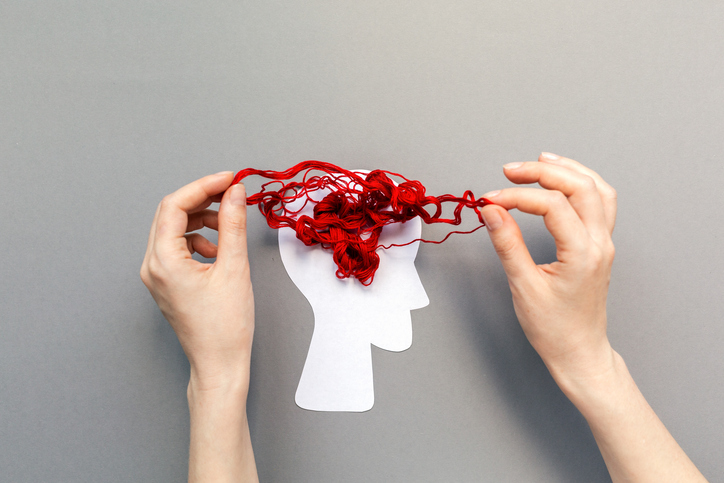
Head injuries can be a big issue, not just because they hurt, but also because they can affect the way we think and feel. Whether they happen in sports, car accidents, or other situations, head injuries can change how the brain works. This can lead to both physical and mental health challenges. Understanding how head injuries affect mental health is important for anyone who experiences one.
As someone with extensive experience in contact sports, especially martial arts, I have seen first-hand how head injuries can change lives. Whether you are practicing martial arts, playing football, or engaging in other physical activities, the risk of head injuries is real. I want to warn everyone – especially young athletes – about the potential dangers these injuries can pose, not just physically but also mentally. When the brain gets hurt, it can affect everything from emotions and memory to decision-making and relationships. Understanding these risks is the first step toward prevention and proper care.
Types of Head Injuries
Head injuries can be mild or serious. A mild injury, like a concussion, might cause temporary problems, but a severe injury can have long-lasting effects. These injuries can happen in different ways – car accidents, falls, or contact sports like football, hockey, mixed martial arts (MMA), boxing and kickboxing. A serious head injury, like a traumatic brain injury (TBI), can change a person’s life.
How Head Injuries Affect the Brain and Mental Health
The brain controls everything we do – our movements, thoughts, and emotions. When it gets injured, it can cause problems in all these areas. Right after a head injury, a person might have headaches, dizziness, or feel sick. But the effects on mental health can last much longer.
Some people notice changes in their behaviour. They might get angry or frustrated more easily, have mood swings, or do things without thinking. Sometimes, they may act differently in social situations or take risks they wouldn’t have before. These changes happen because the brain’s ability to control emotions and decisions has been affected.
Head Injuries and Depression
One of the biggest mental health challenges after a head injury is depression. A person may feel sad, hopeless, or lose interest in things they used to enjoy. They might struggle with frustration because they can’t do the things they did before. This can lead to feelings of grief and loneliness.
People sometimes overlook depression after a head injury because they think it’s just part of the recovery process. However, research shows that people with serious brain injuries are more likely to develop depression (Brooks, 2011). Getting the right support and treatment is very important.
Apathy, Impulsivity, and Restlessness
After a head injury, some people lose interest in things they used to care about. This is called apathy. They might struggle to stay motivated or feel indifferent about their daily activities. At the same time, some people become impulsive, meaning they act without thinking about the consequences. This can lead to poor decision-making. Restlessness is another common problem. A person might have trouble focusing, feel easily distracted, or find it difficult to sit still. These challenges can make it hard to return to normal life, go to school, or interact with friends and family.
Judgment and Relationships
A head injury can also affect a person’s ability to make good decisions. They might not fully understand the risks of their actions or struggle to see how their behaviour affects others. This can create difficulties in friendships and family relationships. It can be frustrating for both the person with the injury and the people around them.
Recovery and Long-Term Effects
Recovering from a head injury takes time, and every person’s journey is different. Some people heal completely, while others may deal with long-term challenges. Severe injuries can cause lasting problems, making it important to get the right care.
Mental health support, such as counselling or therapy, can help people deal with the emotional effects of a head injury. In some cases, medication may also be needed. Addressing mental health early can make a big difference in recovery.
In some cases, head injuries can cause long-term memory and concentration problems. This can affect a person’s ability to work, study, or do daily tasks. Recognizing these challenges and getting the right support early on can help improve a person’s quality of life. Well-written rehabilitation goals and objectives should include the criteria by which progress towards the goal could be measured (Roessler & Rubin, 1994).
Finally, head injuries don’t just affect the body – they can have a big impact on mental health too. People who experience head injuries may struggle with depression, mood changes, poor decision-making, and relationship difficulties. Recovery can be tough, but with the right support, it is possible to regain control and improve mental well-being.
Note: If you or someone you know has had a head injury, it’s important to reach out for help. Early support can make a big difference in getting back to a happy and healthy life.

Author: Nenad Bakaj, MHumServ (RehabCouns), BSocWk, DipAppSci (Comm&HumServ), AMHSW, MAAC, MAASW, JP (Qld)
Nenad Bakaj is a Brisbane based Clinical Counsellor, Accredited Mental Health Social Worker, Life Coach and Bigger Bite Out Of Life Trainer with a keen interest in positive psychology, mental health and wellbeing, and is continually developing his professional skills and knowledge. Nenad enjoys working with adolescents and young adults, as well as older clients, and feels it is a privilege to be able to support them.
References:
- Brooks, D. N. (2011). The Neuropsychological Effects of Traumatic Brain Injury. Cambridge University Press.
- Roessler, R.T., & Rubin, S.E. (1994). Case Management and Rehabilitation Counselling. 3rd ed. Pro-Ed An International Publisher.
- Zasler, N. D., Katz, D. I., & Zafonte, R. D. (2013). Brain Injury Medicine: Principles and Practice. Demos Medical Publishing.