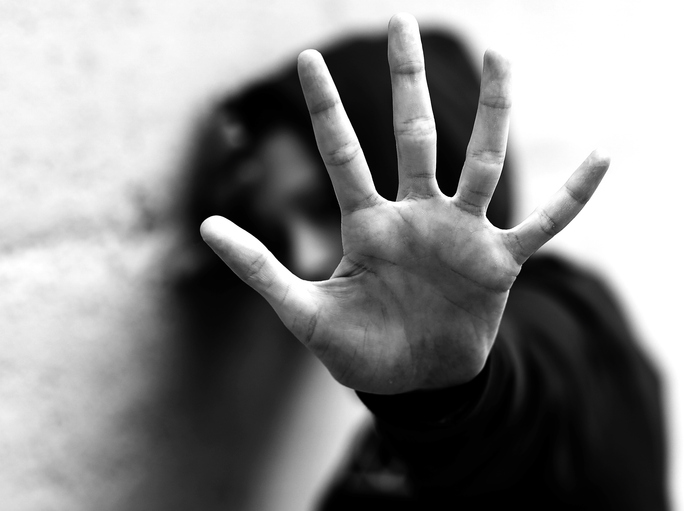
Protecting children from sexual abuse is one of the most critical responsibilities for parents, carers, educators, and communities in Australia. Despite increased awareness and changes in child protection laws Australia wide, child sexual abuse remains a serious concern. Research indicates that one in five Australian children experience some form of sexual harm before the age of 18 (Bravehearts, 2024). Prevention, therefore, begins with education, communication, and the creation of safe environments both at home and in the community.
What is Child Sexual Abuse?
Child sexual abuse involves any act where an adult or older child uses their power or authority to involve a child in sexual activity. It can be physical or non-physical and includes grooming, exposure to sexual content, and online exploitation (Australian Institute of Family Studies [AIFS], 2023). Most abuse occurs in environments where children know and trust the offender. According to Bravehearts, over 90% of child sexual abuse cases involve someone familiar to the child, not strangers. This statistic only further emphasises the importance of empowering children with knowledge and equipping adults with the skills to recognise warning signs.
Key Principles of Prevention
Bravehearts advocates a “3 P’s” approach to child protection: Prevent, Protect, and Pursue.
1. Prevent – Education and Awareness
Education is the cornerstone of prevention. Bravehearts’ Ditto’s Keep Safe Adventure Show is a nationally recognised program that teaches children aged 3–8 personal safety skills in an age-appropriate way. Parents and educators can reinforce similar lessons at home by:
- Teaching children the correct names for their body parts.
- Establishing the concept of “private parts” and that they are not for others to touch or look at.
- Encouraging open communication and listening without judgment.
- Reinforcing that a child can say “no” to unwanted touch, even from familiar adults.
2. Protect – Creating Safe Environments
Safe environments are created when adults take proactive steps to ensure children are supervised, boundaries are clear, and risks are minimised. This includes:
- Conducting Working with Children Checks for all staff, volunteers, and caregivers.
- Setting transparent child-safe policies in schools, clubs, and community organisations (as required under the National Principles for Child Safe Organisations).
- Ensuring that online safety is prioritised — teaching children not to share personal information or photos online and using parental controls where appropriate.
3. Pursue – Responding and Reporting
Recognising and responding to warning signs is vital. Behavioural changes such as withdrawal, fearfulness, regression, or inappropriate sexualised behaviour may indicate abuse. If a child discloses abuse:
- Believe them and reassure them that they are not to blame.
- Document what is said in the child’s own words.
- Report immediately to the relevant child protection authority or the police. In Australia, each state and territory has mandatory reporting laws for suspected child abuse. Bravehearts provides a national support line (1800 272 831) for guidance and counselling.
Supporting Children to Speak Up
Encouraging children to speak up is not about instilling fear but fostering confidence. Parents can build trust through:
- Regular, calm conversations about safety.
- Using storybooks, songs, or videos to teach personal boundaries.
- Modelling respectful relationships at home.
- Reminding children that they can talk to multiple trusted adults if something feels “not right”.
The Role of the Community
Protecting children is a community responsibility. Organisations must comply with the National Child Safe Principles (Australian Human Rights Commission, 2019), which promote accountability, empowerment, and continuous improvement. Community awareness initiatives like Bravehearts’ annual White Balloon Day further help break the silence around child sexual abuse and advocate for survivors.
Keeping young children safe from sexual abuse requires continuous effort through education, vigilance, open communication, and strong community support. As Bravehearts reminds us, “it’s up to adults to be brave enough to start the conversation.” By empowering children and creating protective environments, Australia can move closer to a future where every child can grow up safe, confident, and free from harm.
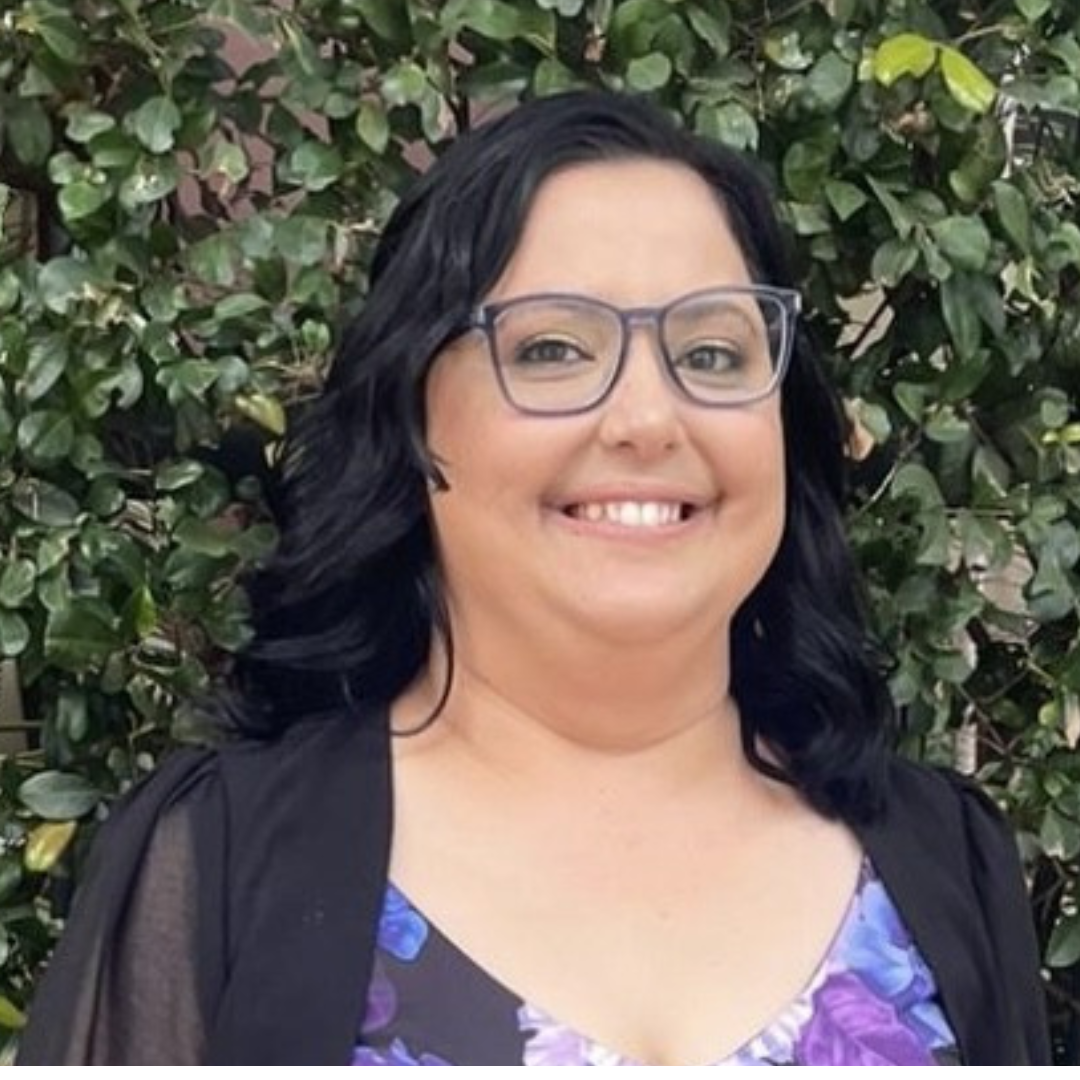
Sarah is a proud member of the Australian Association of Social Workers (AASW) and continues to uphold the ethical standards and principles of the profession in her day-to-day practice.
To make an appointment with Sarah try Online Booking. Alternatively, you can call Vision Psychology Brisbane on (07) 3088 5422.
References
- Australian Institute of Family Studies (AIFS). (2023). Child sexual abuse: An overview of research and policy. Retrieved from https://aifs.gov.au
- Australian Human Rights Commission. (2019). National Principles for Child Safe Organisations. Retrieved from https://childsafe.humanrights.gov.au
- Bravehearts Foundation. (2024). About Child Protection and Safety Education. Retrieved from https://bravehearts.org.au
- Bravehearts Foundation. (2024). Ditto’s Keep Safe Adventure Show. Retrieved from https://bravehearts.org.au/education
- Bravehearts Foundation. (2024). Support and Counselling Services. Retrieved from https://bravehearts.org.au/support