A BIT ABOUT ADULT ADHD – Part 1
ADHD became my area of interest after my son was diagnosed with ADHD in primary school around 2018. There were always signs from the time he was a baby, but specialists were reluctant to give a diagnosis at pre-school age. I frequently asked myself “what am I doing wrong? Why do all these parenting books that I read not work?” You start doubting yourself, your parenting, your knowledge, your abilities.
It has been challenging for my son to fall asleep, to wake up and get going, to go out of the house, to stop playing and go back home, to listen to a book I was reading until the end, to manage his frustrations and emotions among other challenges. It seemed that life was hard for him.
My heart would break each time I saw my son struggle with the daily, mundane things of life, things that other children seemed to find easy. The doctors kept telling me he was a healthy boy, but there was something they could not see, only me and my husband could. I found out later that ADHD was called ‘invisible disability’. People do not see, so many times they either jump with unhelpful advice or just judge. It has been very painful at times, very lonely, many tears.
Over the years my son finally got a diagnosis in primary school when the demands of school, both social and academic life made the struggles and symptoms more obvious. It was bitter-sweet. I finally knew that there was an explanation and support for that invisible, unexplained struggle we all had as a family. But coming to terms that your child has a chronic condition that needs to be managed, for the rest of their lives, was not easy.
Things started to get a bit easier from then. I started learning about ADHD and find ways that help manage it and living with it.
I learnt that the condition is highly genetic, so It was not a surprise when my husband started to recognise the symptoms that he has been having throughout his life and still struggled with in adulthood. He was diagnosed with adult ADHD not long after my son was. It was easy to miss because it was Mild to Moderate severity level, while still significant effects on life were present. Mainly, people do not know how much harder the person needs to work, try and persevere in all life areas to achieve the common results.
Pursuing a diagnosis and coming to terms with it may be a different process for each person. It may bring relief but also grief, which we will talk more about later (A Bit About Adult ADHD – Part 2).
After going through the process of diagnosing ADHD for both my son and husband, reading and learning about this condition, we were coming to terms with its realities which meant accepting the fact that some things they would always find more challenging. This process included adjusting expectations, re-defining yourself as a person who has ADHD, but not let it take over and become a label, excuse or an obstacle to who you want to become as a person.
I can say that although we all still experience occasional frustrations and challenges associated with managed ADHD symptoms, my son’s and husband’s ADHD has also become a source of strength and humour in our family and a way to see the lighter, more positive and amusing side of life with ADHD. For example, when visiting friends, they would jokingly tell my husband: “please sit, relax and don’t clean the table, we know you want to” straight after finishing our meal, knowing well by now that he would be the first person to leave the table and start cleaning. Or the unique, creative ways of thinking, joking, looking at situations and solving problems their mind is capable of. This is one of those symptoms in the
Hyperactive/Impulsive type of ADHD when the person has access energy and has the urge to be doing things, not able to sit still. This has a positive side, they can use this energy in productive ways and channel it in their life to meaningful activities such as work, exercise, taking care of household, playing with kids etc.
Throughout recent years I started to incorporate my knowledge, learning and experience into my professional practice and psychological therapy. I have been working with clients who have been both undiagnosed and diagnosed adult ADHD and people who have a loved one with ADHD. This is now my area of special interest and personal passion.
So what is this condition? What is ADHD?
ADHD is a neurological condition which is highly genetic. It is a kind of information processing disorder which affects many life areas of the person including: memory, relationships, parenting, career, self-esteem, and basically every life area of the person living with ADHD.
The main difficulty is with executive functioning which is responsible for how we process information, organise our life, regulate our attention and even manage our emotions. One of the most important things to understand about ADHD symptoms is that it is not about choice, these are not things that people with ADHD doing intentionally, this is who they are.
Living with a person who has ADHD
People who have a loved one with ADHD may find it very challenging as well, especially if there is no diagnosis and support. Life with a person who has ADHD can feel chaotic, inconsistent and intense due to inconsistent attention and emotions, incomplete tasks/jobs/projects and the ineffective coping mechanisms that
people may have learnt to deal with their challenges. People who live with a person who has ADHD frequently report feelings of frustration, hopelessness and even loneliness. Many times this is due to the fact that people with ADHD find it challenging to sustain attention and may seem to be not emotionally present or attentive to their partners/significant others. Moreover, people who have ADHD get overwhelmed quicker and may shut down, lash out or retreat more often. This mental and emotional absence can be further interpreted by the partner as lack of care or interest in them or what they have to say
Many times this interpretation is not correct, because it targets the symptoms of ADHD, which are involuntary. This is an important issue that should be addressed between partners and/or in therapy and more effective management strategies should be attempted so that both partners find effective ways to communicate about important matters in their life while feeling understood, cared for, supported and accepted.
Once the person gets diagnosed with ADHD and gets treatment and support, life can start feeling a bit more predictable, safe, manageable. This would require both partners to be on board and learn about ADHD, what to expect, what to accept, how to manage important life areas, what works and what does not. This involves good communication, and the desire to understand and support one another with the tools that the person has. Meeting each other in the middle is an important aspect of a good dynamic in the relationship.
One of the processes that family members of a loved one with ADHD are likely to go through is coming around to the idea of accepting the person/your child for who they are. It may involve grieving for the person you wished them to be.
Moreover, seeking support and space to talk about the frustrations and difficulties of life with a person who has ADHD is very important. Self-care should become an essential part of the routine. If you or your loved one struggle with ADHD and need support and help, feel free to book a session with Ilana Gorovoy.
Author: Ilana Gorovoy, B.Arts (Psych), B. Arts (Hons.)(Psychology), MPsych (Couns.)
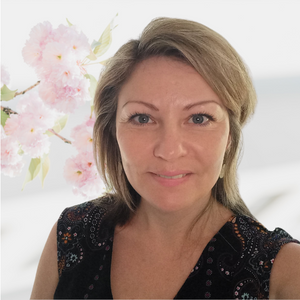 With a Master’s in Counselling, Brisbane Psychologist Ilana Gorovoy draws on therapeutic approaches such as Cognitive Behavioural Therapy, Existential and Strengths-based approaches, Person-Centred and Positive Psychology, to assist her clients to become conscious of their strengths and difficulties, design and reach their goals, live a life of meaning and purpose, and reach their full potential.
More articles on ADHD by Ilana Gorovoy:
- Fear of Rejection in Adults with ADHD
- Getting Diagnosed with Adult ADHD
- Lesser Known Symptoms of ADHD in Adults
- Work-Life Balance for Adults with ADHD
To make an appointment with Brisbane Psychologist Ilana Gorovoy, try Online Booking. Alternatively, you can call M1 Psychology on (07) 3088 5422.