
This topic is one close to my heart. I have lived experience of being a new mum to a baby who needed immediate medical attention. I have journeyed through the medical system and struggled with the challenges of being a new mum with the added pressure of providing nursing care to my baby when we were finally able to go home. My story is not unique, but it is probably different from yours.
If your journey into parenthood was different from the norm, I am empathetic to your story. It can be hard, it can be lonely, it can be sad. At times, it can be happy, joyful and a delight. But sometimes, the moments that are celebrated are different from other parents. I remember the first time I could hear my daughter cry; it took months before she was strong enough to make her cries audible. It was a crazy thing to celebrate, but at the time, it was glorious. Is this sounding familiar? Did you celebrate a weird milestone? My counselling room is a safe space for you to explore your journey of being a parent with a sense of connection, humour and without any fear of judgement.
Empathy plays a big part in my therapy approach. Having all the knowledge and skills in the world is useless if I don’t start by listening to your story. It’s only when you feel heard, when you are validated in your reactions, that you will be ready to process the experiences of raising a medically complex child. Hearing the words “that is a normal reaction” won’t land well, unless you know that I know that you are doing your best. Without understanding your experience, any help I can provide is shallow and meaningless.

Also, I suspect in focusing on your child, your needs have been pushed aside. Could I challenge you to give yourself 1 hour of counselling as a protective self-care measure? Here are some ideas of what we could look into:
- Finding Hope: Did you know when you hold onto hope, you have more energy and vitality? Other perks include having a lightness of spirit, aspirations for the future, and sense of fulfilment. In a recent study, caregivers of children with life limiting illnesses were asked “what does hope feel like”? They answered by saying it gave them back their identity. They were able to be a person outside of the disease and have a purpose that extended beyond providing personal and medical care to their child. If this is resonating with you, I urge you to invest in finding hope to hold onto. Together, we can find the hope that is buried deep down under the demands of everyday life.
- Managing Emotions: You might be surprised to learn that emotions have a purpose. 3 functions in fact! They can motivate us or communicate things to ourselves or others around us. We do not want to get rid of emotions however we can learn how to consciously control the experience. You might want to learn new skills to manage your emotions in the moment. Or we could try some strategies to redirect emotions that are draining you.
- Struggling to advocate for you child: Hospitals and health professionals are not always approachable or welcoming of questions. In counselling, we could upskill your communication style so that your concerns are heard, focus on increasing your ability to communicate under pressure or explore how to make health related decisions that align with your family values.
- Getting a good night sleep: This is so important and yet sometimes can feel too hard to achieve especially when under stress. In a counselling session, we could take a practical approach and review your current strategies and if needed create some new routines that support reaching a deep sleep.
- Managing stress: Stress can negatively affect your physical and mental health. Some symptoms include: fatigue, trouble concentrating, headaches, digestive problems, lower immunity to viruses, heart problems, anxiety, irritability restlessness and insomnia. In counselling, we could explore strategies on how to minimise stress by tapping into your pre-existing resources or explore ways to take care of your mind and body to increase your resilience. Everyone gets stressed at times, but when it is impacting your ability to function, it’s time for some TLC. Counselling could be the first step in decreasing the weight of the load you are carrying.
I shared at the start that this topic is one close to my heart. Because I know there are times where there is nothing else you can do, there is nothing that can fix the medical problems, that the only thing left is to hope for the best. Coming to my counselling room is like crossing all your fingers and toes.
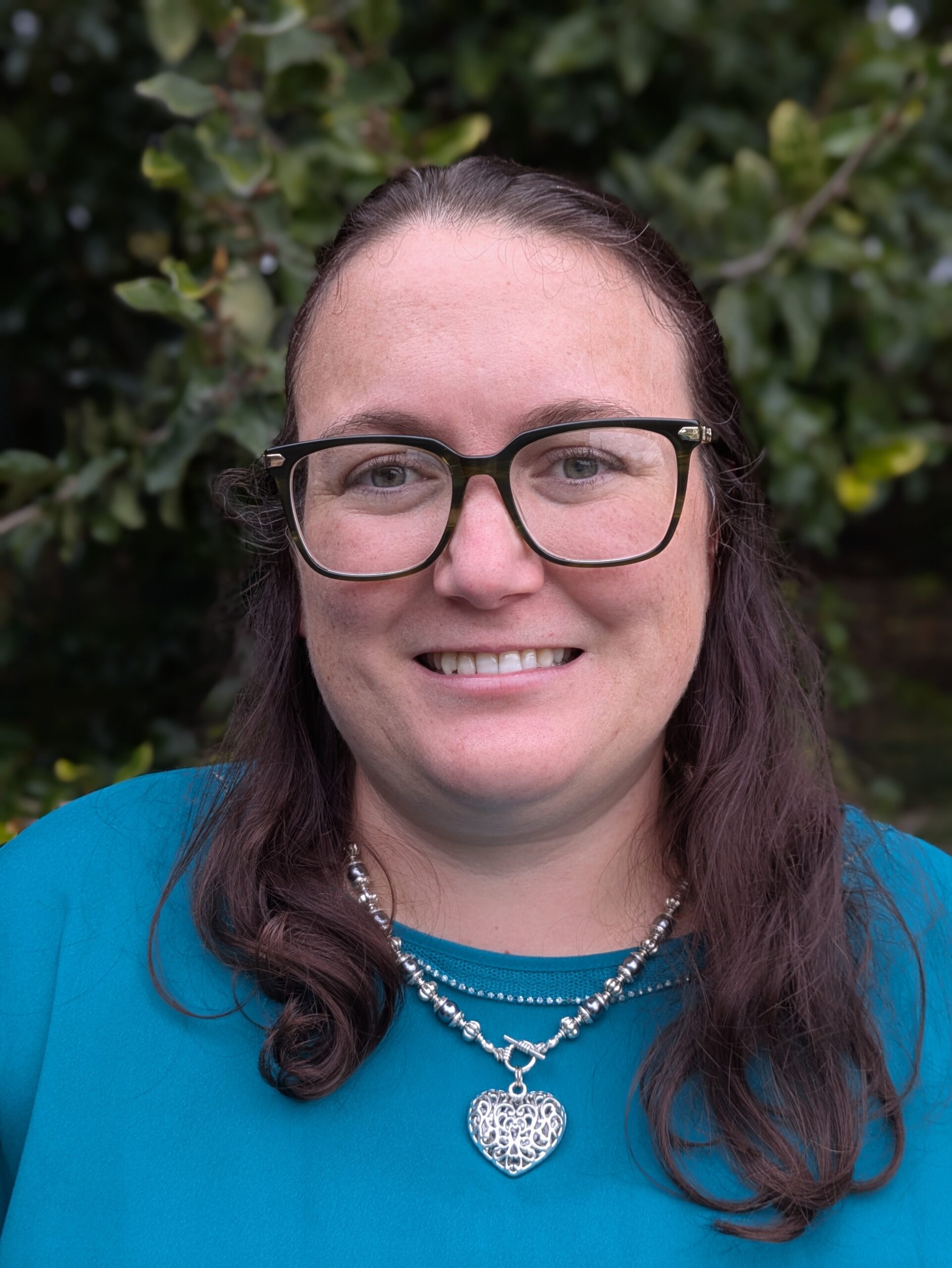
I welcome you to give counselling a try. I believe by investing in yourself, you will then find the strength you need to continue to look after your vulnerable child.
To make an appointment with Cassia, you can Book Online. Alternatively, you can call Vision Psychology Brisbane on (07) 3088 5422.
References
U.S Centers for Disease Control and Prevention. (2025). Managing Stress. https://www.cdc.gov/mental-health/living-with/index.html
Franck, L.S., Frenzel, C., Kelekian, R., Nahal, B.K., von Scheven, E., & Vanderpoel, V. (2021). Getting to hope: perspectives from patients and caregivers living with chronic childhood illness. Children. 8(6). 525. Doi: https://doi.org/10.3390/children8060525
Linehan, M. M. (2015). DBT Skills Training Manual. 2nd ed. The Guilford Press. New York.
Thorn, B. (2024). 11 healthy ways to handle life’s stressors. American Psychological Association. https://www.apa.org/topics/stress/tips