
1 in 100 Australians have autism spectrum disorder (ASD). ASD is a developmental condition that influences how someone perceives and interacts with others and the world around them. This statistic reiterates that no one is the same. Every person will have a difference experience of living with ASD. People with ASD will also have different experiences than their peers regarding school, work, family, relationships and developmental milestones.
ASD presents with a varying range of developmental differences with communication, limited interests and limited or repeated patterns of behaviour affecting day to day living. Common fears from loved ones of people with ASD include: ability to learn and get an education, surviving school playgrounds, being bullied at school or the workplace, the capacity to live independently, being socially isolated, and maintaining a job. Counselling can help loved ones through apply the principles from acceptance and commitment therapy (ACT) to their personal lives. For the young child with ASD, early intervention programs have been designed to maximise their potential in learning how to do activities of daily living. The emphasis is on learning to function well in life through improving behaviour, skills and language developments.
My approach to counselling in general focuses on the individual experience of the person sitting in front of me. I do not start with a preconceived idea or a checklist when my client has ASD. What I like to do is to find out why you are seeking counselling for yourself or your child. Generally, parents like to support their children by using counselling sessions to focus on improving social skills and managing emotions. Tips on how to stop the meltdowns is also popular. I do not claim to have a magic wand, or one size fits all solution in my bag, but I have had training in DBT- a type of therapy that helps people identify their emotions and increase their tolerance of distress. I also like to use expressive arts to encourage identifying feelings without needing to use words.

If you are an adult with ASD seeking counselling, first I want to share that this is a great decision. As your counsellor, I would focus on creating a therapeutic relationship first, then use an integrated approach to achieve your goals. This means that I want to understand your experiences of life, at work, at home, doing hobbies, going out etc. because I want you to feel connected to your world. You are not alone in navigating the intricacies of life.
ASD awareness and acceptance has improved in Australia in recent years due to advocacy groups and government initiatives including Autism Awareness Australia, Autism CRC and AEIOU Foundation. There has been a shift in community thinking towards inclusivity and acceptance alongside with breaking down barriers and systemically rejecting the “one size fits all” mentality.
ASD is called a spectrum for a reason; everyone has varying degrees of needs and adjustments needed to live a wholesome life. Coming to counselling where the underlying assumption is that you are the expert in your own life, is the first step in empowering you to improve your quality of life. And who knows, maybe you will uncover some strengths and talents that have been in hiding. If you are interested in incorporating counselling in your life plan, please reach out, you are welcome in my counselling room.
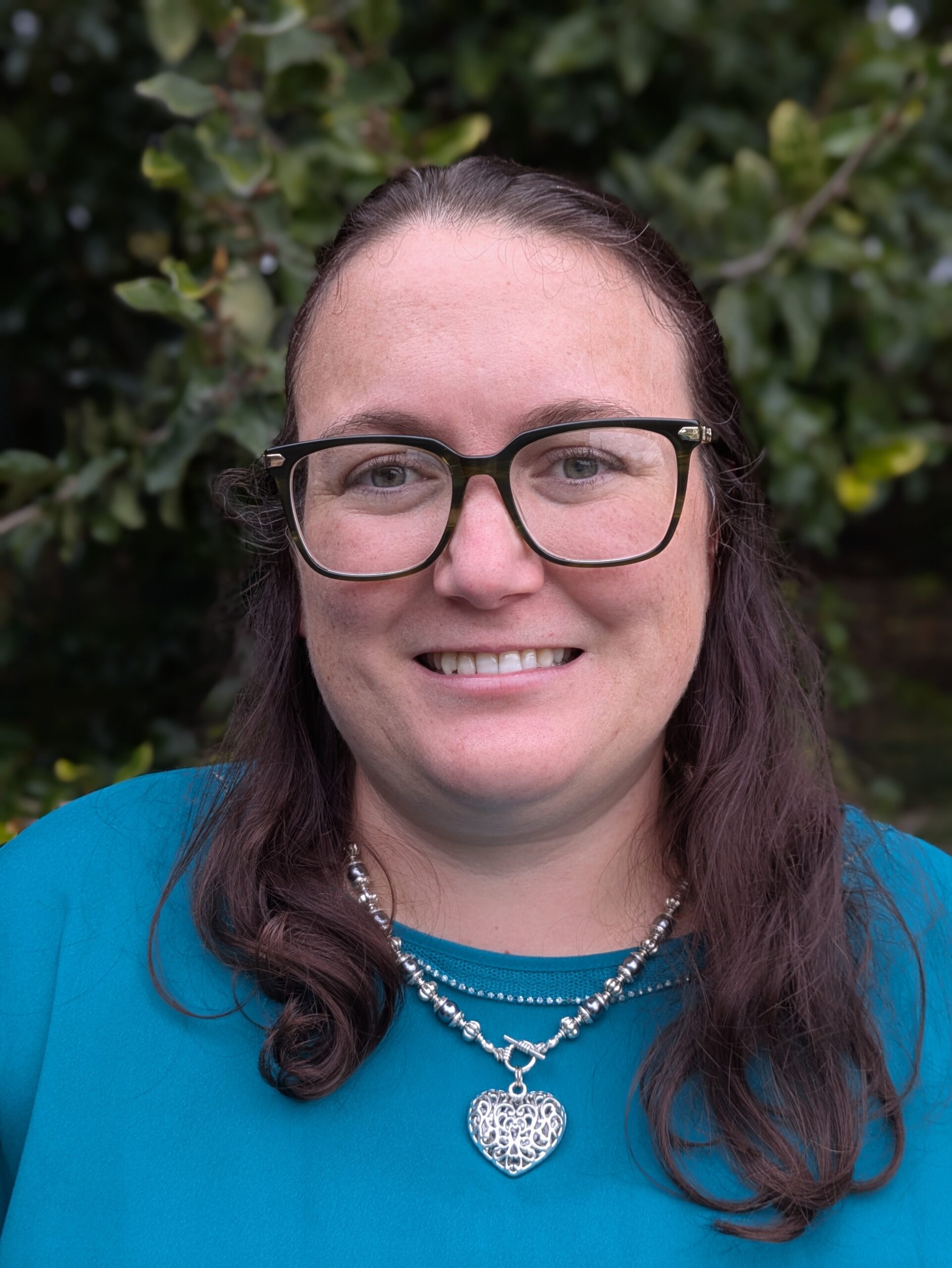
To make an appointment with Cassia, you can Book Online. Alternatively, you can call Vision Psychology Brisbane on (07) 3088 5422.
References
AEIOU Foundation. Children with autism living their best lives. https://aeiou.org.au/
Australian Bureau of Statistics. (2024). Autism in Australia, 2022. https://www.abs.gov.au/articles/autism-australia-2022
Autism Awareness Australia. National autism parent/carer survey 2-25v report. https://www.autismawareness.com.au/about
Autism CRC. Independent national source of evidence for best practice. https://www.autismcrc.com.au/
Health direct. (2024). Autism spectrum disorder (ASD). https://www.healthdirect.gov.au/autism
Mayo Clinic. (2025). Autism spectrum disorder. https://www.mayoclinic.org/diseases-conditions/autism-spectrum-disorder/symptoms-causes/syc-20352928