
Trauma doesn’t just live in the past—it lives in the body. You may not remember every detail of what happened, but your nervous system does. The racing heart. The shallow breath. The sense of being on high alert. The emotional shutdown when things feel overwhelming. These responses are not weakness or brokenness. They are survival intelligence.
Whether the trauma was recent or long ago, whether it was a single event or years of chronic stress, the impacts can echo across time—in your relationships, your sleep, your work, and even in how you see yourself. The good news? Healing is not only possible—it’s powerful. And it doesn’t require “forgetting” or pretending it never happened. It begins with understanding how trauma shows up—and how mind, body, and environment can come back into balance, together.
What Is Trauma? (And What It’s Not)
Trauma isn’t just “something bad that happened.” It’s what happens inside you as a result. Trauma is the body’s protective response to overwhelming stress, danger, or violation—when your system becomes overloaded and cannot return to safety.
There are many forms of trauma:
- A car accident or medical emergency
- Childhood emotional neglect or abuse
- Domestic violence or coercive control
- Bullying, racism, or systemic oppression
- Sudden loss, separation, or betrayal
- Vicarious trauma from caregiving or professional roles
What matters is not just the event—but your nervous system’s ability to process and recover. When that recovery doesn’t happen, trauma becomes stored—showing up as anxiety, dissociation, rage, numbness, or chronic pain.
Signs You Might Be Living with Unprocessed Trauma
- You feel on edge, irritable, or overwhelmed by minor stressors
- You experience emotional shutdown, numbness, or fatigue
- You have flashbacks, nightmares, or intrusive thoughts
- You struggle to trust, even in safe relationships
- You avoid certain places, people, or emotions
- You carry a deep sense of shame, guilt, or self-blame
- Your sleep, digestion, or immune system feel dysregulated
These symptoms are not character flaws—they are survival adaptations. But they don’t have to be permanent.
Healing Trauma Is a Whole-Body Process
Healing trauma is not just about talking through the story—though words can help. True recovery often requires bottom-up regulation: helping the nervous system re-establish a felt sense of safety. That’s why I take a body-based and holistic approach to trauma recovery.
Here’s how we work together:
1.Understanding Your Nervous System
We start by mapping your window of tolerance—the range of emotional activation where you feel safe and connected. Many trauma survivors live outside this window, either in hyperarousal (anxiety, rage, panic) or hyper arousal (numbness, shutdown, fatigue).
Through therapy, you’ll learn to:
- Recognize your triggers and responses
- Track body sensations and nervous system cues
- Re-establish a sense of when you’re safe—and when you’re not
- This gives you more choice, more control, and more compassion for yourself.
2. Regulation Through Mindfulness, Meditation, and Movement
Mindfulness and meditation are not just spiritual buzzwords—they are clinically backed tools for regulating trauma.
In our work, we might explore:
- Body-scans to reconnect with sensation
- Breathwork to shift from fight-or-flight to rest-and-digest
- Walking mindfulness sessions to rebuild a grounded sense of presence
- Gentle movement or trauma-informed yoga to release stored tension
- Nature-based mindfulness (e.g., barefoot grounding or forest bathing)
These practices help retrain the body to feel safe again—slowly, gently, with atonement.
3. Lifestyle Foundations: Sleep, Nutrition, and the Environment
When you’ve experienced trauma, even basic routines can feel overwhelming. But your body needs support to heal.
We explore:
- Sleep regulation: creating wind-down rituals, managing nightmares, improving circadian rhythm
- Dietary support: stabilizing blood sugar, reducing inflammation, supporting gut-brain health
- Environment: creating spaces that feel safe, organized, and soothing (think: light, scent, sound, and structure)
Even small changes—like adding calming routines or minimizing chaos in your environment—can shift your baseline toward safety.
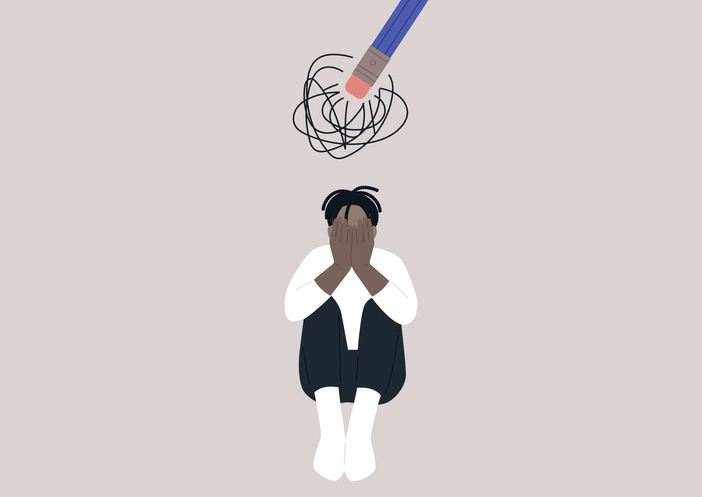
4. Narrative and Meaning: Reclaiming Your Story
Trauma often robs people of their voice or their sense of self. Therapy creates a space where the story can be told—on your terms. But it’s not just about what happened. It’s also about:
- What it meant to you
- How it shaped your identity
- What patterns it created in your relationships
- And most importantly, what healing can now look like
Through gentle narrative work, we begin to separate who you are from what you survived.
5. Relational Repair and Safe Connection
Because trauma often occurs in relationship, healing also needs relationship. In therapy, you’re not alone in the healing process. The therapeutic relationship offers:
- A safe, non-judgmental space to explore vulnerability
- Co-regulation: learning to feel safe with another person
- Guidance in navigating attachment patterns (avoidant, anxious, disorganized)
- Preparation for re-entering safe relationships with more clarity and resilience
We may also bring in couples or family work where needed, to repair trust or rebuild connection after trauma.
You Are Not Broken. You Are Adapting. And You Can Heal.
Trauma may have shaped you—but it doesn’t have to define you. Healing is not about “getting over it.” It’s about learning how to live with wholeness, courage, and deeper connection than before. You don’t have to do it alone. I work with clients across Queensland and beyond via video-based therapy, with occasional in-person sessions available. Whether you’re feeling fragile, numb, hypervigilant, or unsure—your healing starts by being seen.
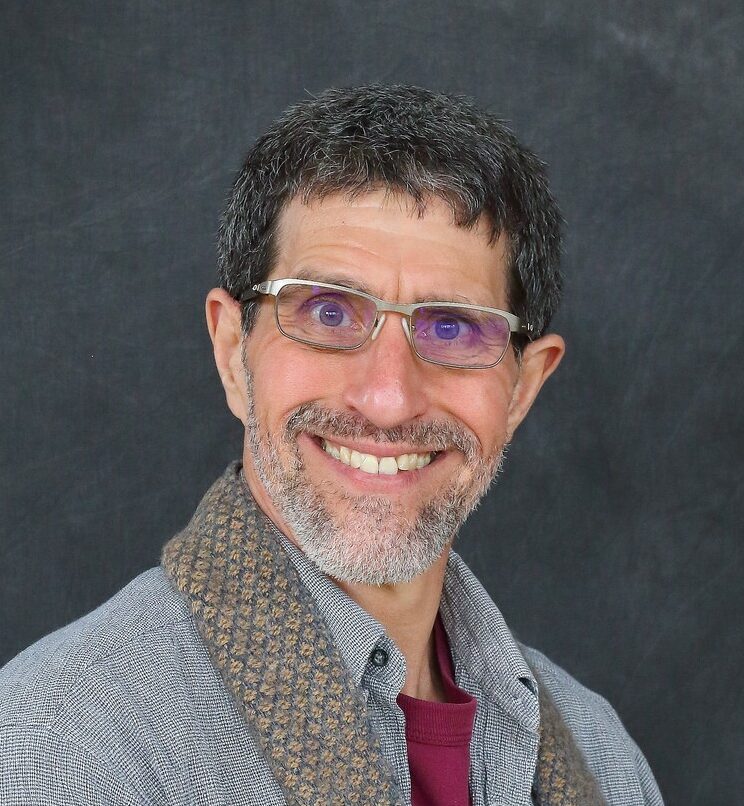
*Please note that Dr. Scott Terry only does Telehealth and Telephone consults – with occasional in-person sessions.
To make an appointment with Dr. Scott Terry, please Book Online or call Vision Psychology Brisbane on 07 3088 5422.