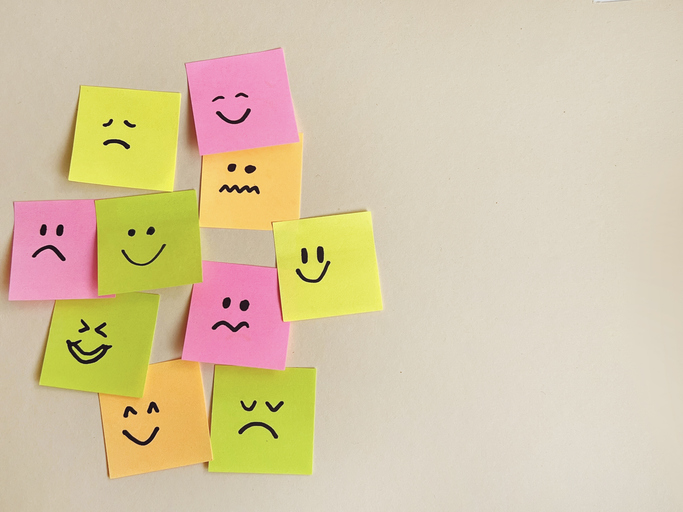
As a therapist, I often get asked why we have such strong emotional reactions. Emotions can be complicated, but they’re a natural part of how we experience the world. They come from a mix of biological, psychological, and social factors. To understand why we feel the way we do, it helps to look at these different influences.
Biologically, emotions are controlled by a part of the brain called the limbic system. This system helps us process emotional information. When we face a situation – whether it’s a threat, a reward, or something neutral – our brain sends signals to our body to prepare for action. For example, if we feel threatened, we might feel our heart race or our body tense up. This “fight or flight” response is a way our body gets ready to either fight the danger or run away from it. Emotions are important because they help us react quickly to keep us safe or take advantage of opportunities.
Psychologically, our emotions are shaped by our thoughts, beliefs, and past experiences. How we think about a situation can make us feel differently about it. For example, if we’ve been hurt before, we might feel nervous or angry when we face a similar situation again, even if it’s not as bad. Our emotions often don’t reflect what’s happening right now – they’re influenced by our memories and expectations. This is why we can sometimes react very strongly to something that seems small or not so important.
Our emotions are also influenced by the people around us. As social beings, we pay close attention to the feelings and behaviours of others. Positive interactions, like receiving love or support, make us feel happy. On the other hand, negative experiences, like being rejected or having a fight, can lead to sadness, anger, or fear. Our emotions help us communicate with others, showing them what we need or how we’re feeling, and they can also affect our relationships.
Culturally, how we express and understand emotions can vary from place to place. Some cultures encourage showing emotions openly, while others might expect people to hold them in. These cultural differences can influence how we feel and how comfortable we are with expressing our emotions.
In therapy, one important part of the work is helping people understand where their emotions come from. Sometimes, we feel emotional because of things we don’t even realize, like past experiences or beliefs. Other times, our feelings are a direct response to what’s happening now. Therapy can help us become more aware of our emotions and give us tools to manage them in a healthier way. This might include learning coping skills, changing unhelpful thought patterns, or finding better ways to connect with others.
In conclusion, emotions are a big part of being human and by understanding them better we can make more sense of our feelings, become stronger in handling them, and live more fulfilling lives. If you’re struggling with your emotions and want to understand them better, therapy can be a safe and supportive place to explore and work through your feelings. Reach out and take the first step toward a healthier emotional life today. We are here to help you.

Author: Nenad Bakaj, MHumServ (RehabCouns), BSocWk, DipAppSci (Comm&HumServ), AMHSW, MAAC, MAASW, JP (Qld)
Nenad Bakaj is a Brisbane based Clinical Counsellor, Accredited Mental Health Social Worker, Life Coach and Bigger Bite Out Of Life Trainer with a keen interest in positive psychology, mental health and wellbeing, and is continually developing his professional skills and knowledge. Nenad enjoys working with adolescents and young adults, as well as older clients, and feels it is a privilege to be able to support them.